|
Reptile Discovery Programs 2002/2003 North American Tour |
|||||||||||
|
Journal |
|||||||||||
|
Page 2 |
|||||||||||
|
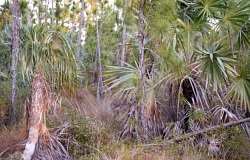
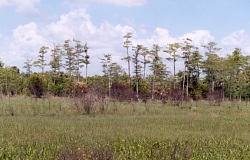
I spent the afternoon traveling thru the northern edge of the Everglades National Park on my way to visit Bill Haast, the director of the Miami Serpentarium. The Miami Serpentarium, which is now located in Punta Gorda produces the snake venoms that are used to make snakebite anti-serum. This serum is used to save lives when people or their pets are badly bitten by rattlesnakes, cottonmouths or coral snakes. Mr. Haast also collects the venom from exotic venomous snakes such as cobras and vipers. These venoms are sent to colleges and universities for scientific study. You can read about Bill Haast in the book Cobras in his Garden, by Harry Kursh |
|||||||||||
![]() |
|||||||||||
|
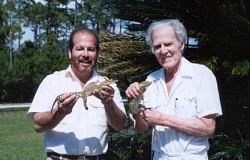
Bill Haast and I, examine Cuban Crocodiles that were hatched at the Miami Metrozoo. These brightly colored crocodiles are found only in fresh-water swamps in Cuba. They are an endangered species that are being bred in captivity at several zoos in the United States and on crocodile farms in Cuba. |
|
|
||||||||||||||||||||||||||||
|
Breeding endangered species in captivity is an important way to help save them from extinction, but it is more important to protect these animals in the wild and to safe guard their natural habitats. |
![]() |
![]() |
|
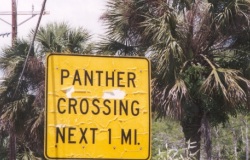
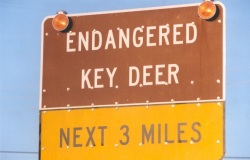
As I drove across southern Florida, I saw signs that warned drivers to be careful as they travel thru the natural habitats of the Florida panther and the Key deer. |
|
|
|||||
|
Copyright 2002 Reptile Discovery Programs All Rights Reserved |
|||||